
RCC Column Jacketing Services
Expert structural strengthening of weak, damaged or under-designed RCC columns through proven jacketing techniques — restoring full load capacity for residential, commercial and industrial buildings across Mumbai.
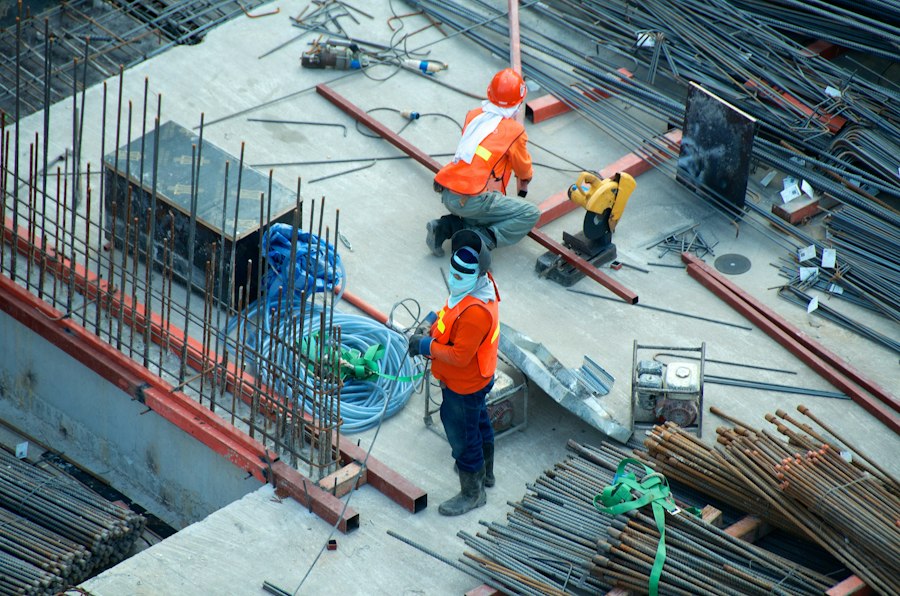
Completed
Strengthen Your Structure, Column by Column
RCC Column Jacketing is a proven structural retrofitting technique used to restore or significantly increase the load-bearing capacity of existing reinforced concrete columns. Devki Projects carries out column jacketing across Mumbai for buildings where columns have been damaged, corroded, under-designed or need to be upgraded to carry additional floors or loads.
Our structural engineers and experienced site teams follow IS-code compliant methods — chipping the existing column surface, adding new reinforcement bars, placing formwork and casting fresh high-grade concrete around the existing column — delivering a structurally monolithic, stronger unit that extends the life of your building by decades.
Engineered Strength, Proven Results
Every column jacketing project is backed by structural engineering expertise, quality materials and strict IS-code compliance.
Our Column Jacketing Process
A precise, engineering-led process that ensures full structural integration between the new jacket and the existing column.
Situations That Require Column Jacketing
Column jacketing is the most effective solution for a wide range of structural strengthening requirements in existing buildings.
Frequently Asked Questions
Answers to the most common questions clients and housing societies ask about RCC column jacketing.
Column jacketing is a structural retrofitting technique where a new layer of reinforced concrete is cast around an existing column to increase its cross-sectional area, load capacity and structural performance. The result is a larger, stronger column that behaves as a monolithic unit.
In most cases, no. Column jacketing can be carried out with the building occupied since it is done column by column and does not require the structure to be vacated. Our engineers assess each project and advise accordingly if any sections need temporary precautions.
The increase depends on the jacket thickness and reinforcement design. Typically a jacket of 100–150mm adds significant axial and lateral load capacity — often 40–80% more than the original column. Our structural engineer calculates the exact requirement based on the proposed load.
Preparation, rebar fixing and casting of one column typically takes 2–3 days. The curing period of 14–21 days follows. For a project with multiple columns, we work on several simultaneously to complete the full scope efficiently.
The column cross-section increases by the jacket thickness on each side — typically 75–150mm. This is a modest increase and can be incorporated into the wall or interior design. After finishing and plastering, jacketed columns integrate cleanly into the building's appearance.
Related Construction Services
Column jacketing is often part of a broader structural repair and retrofitting scope alongside these services.
Need to Strengthen Your Building's Columns?
Get a free structural site visit and detailed quotation from our expert engineers — no obligation, no hidden costs.